Kyrgyzstan kickstarted summer with a diplomatic triumph, becoming the second Central Asian state after Kazakhstan to win a non-permanent UN Security Council seat. But new European Union sanctions over trade with Russia and the collapse of the republic’s ruling ‘tandem’ have added a fresh dose of risk for a country where trouble is never far away, as Chris Rickleton reports.
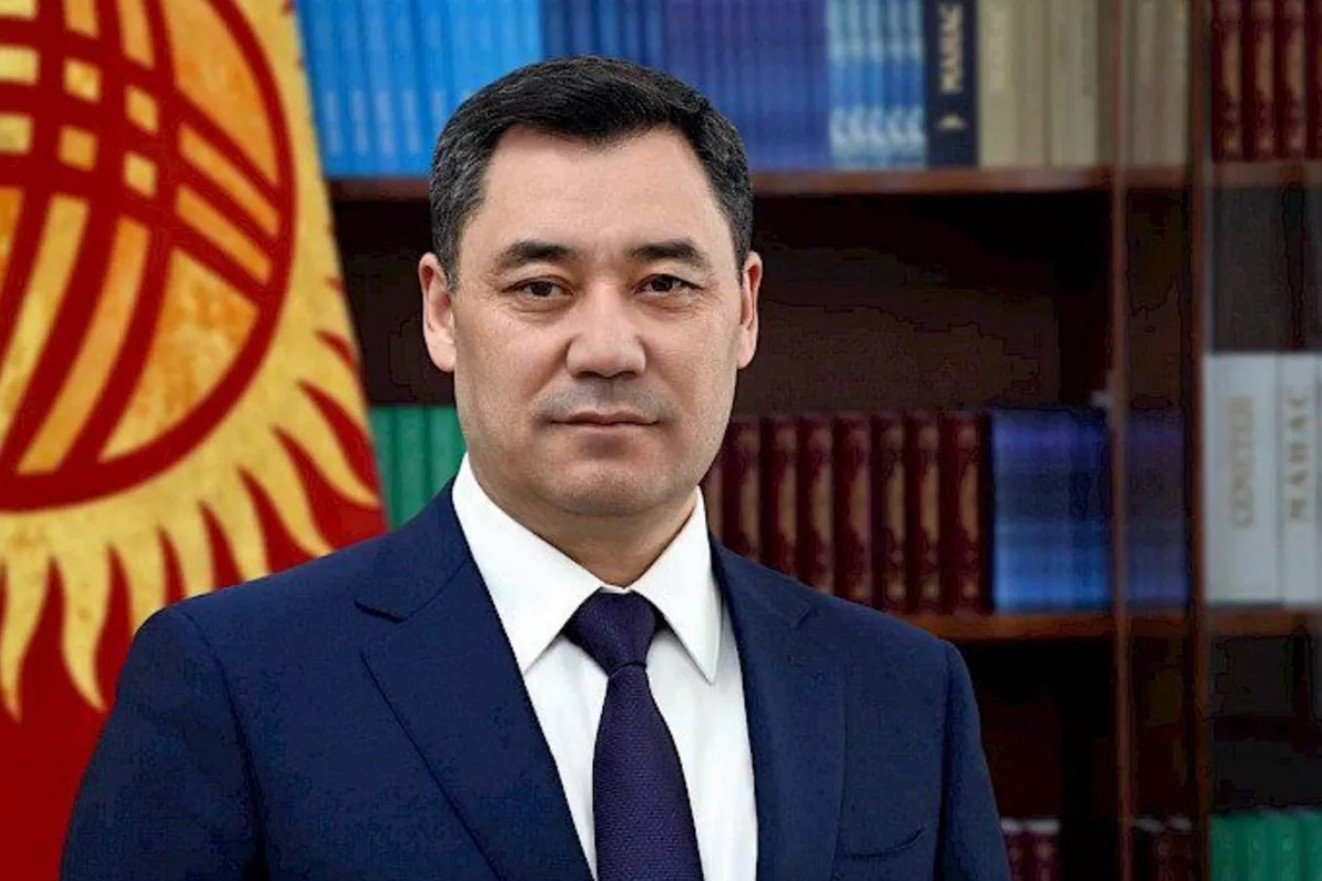
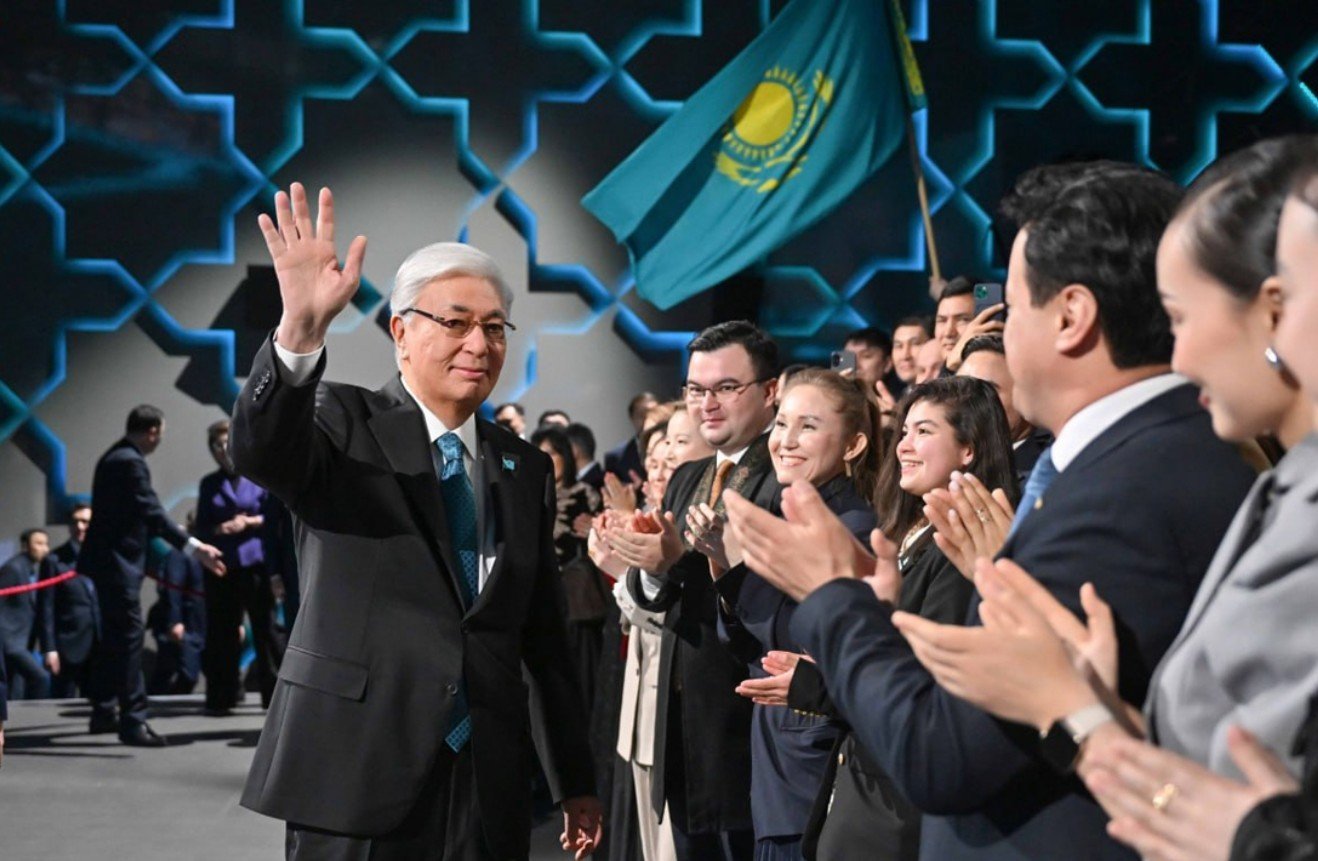
President Sadyr Japarov has consolidated power since the 2020 revolution, but the collapse of his alliance with former security chief Kamchibek Tashiyev presents a new test for Kyrgyzstan’s political stability. Photo: Presidential Press Service of Kyrgyzstan
Mountainous, landlocked and impoverished, Muslim-majority Kyrgyzstan endured revolutions in 2005 and 2010, while authoritarian regimes in neighbours such as Kazakhstan, Uzbekistan and Tajikistan were busy consolidating power. A third revolt, in 2020, brought hardline populists Sadyr Japarov and Kamchibek Tashiyev to power, following events so fluid that they even surprised the country’s partners in the Kremlin.
Yet now the duo, known as ‘the two friends’, are friends no more; President Japarov dismissed his powerful national security chief Tashiyev in March and placed him under investigation along with dozens of others as part of a coup plotting investigation later in the spring. In June, a defiant Tashiyev appeared in court in the capital Bishkek.
 Former security chief Kamchibek Tashiyev, once part of Kyrgyzstan’s powerful ruling tandem, appeared in court after being dismissed and placed under investigation in a widening coup-plot inquiry. Photo: AKI Press
With a current population of 7 million people, Kyrgyzstan was the second-poorest republic after Tajikistan at the time of the breakup of the Soviet Union. Historically those two countries, who reached a historic border settlement last year after bloody clashes in previous years, have vied for the title of the world’s most ‘remittance dependent’ economies with others like Tonga and Nepal. Last year cash transfers sent home to Kyrgyzstan, mostly from Russia, amounted to about $3 billion.
Yet few countries have benefited more from recent geopolitical instability than Kyrgyzstan. Last year the economy grew 11%. That has partly come from gold, which has nearly tripled in value since 2021, when Japarov realised an ambition he had held since his days in opposition by nationalising the flagship gold mine, Kumtor. But the re-export of goods from third countries to Russia has been another important part of the story.
 Kumtor, Kyrgyzstan’s largest gold mine, remains central to the country’s economy and a symbol of President Japarov’s nationalist economic agenda. Photo: AP
A paper by the Brookings Institution flagged exports to Kyrgyzstan from European countries rising by several thousand per cent in the years after 2022. Kyrgyzstan’s exports to Russia rose dramatically, too. The United Kingdom recently sanctioned the A7 network, a Kremlin-backed financial system that London says used cryptocurrency and banking channels, including in Kyrgyzstan, and claimed to have processed more than $90 billion last year. The application to Kyrgyzstan in April of the EU's ‘anti-circumvention tool’ applies only to specific dual-use goods that could aid Russia's invasion of Ukraine. China, Kyrgyzstan’s largest trade partner, is unlikely to pay too much heed.
But the new scrutiny on a government that, according to the EU, demonstrated a ‘systematic failure to prevent’ transfer of such goods to Russia will give third countries in the Middle East and elsewhere pause for thought before using Kyrgyzstan as a back door for trade with Russia. The European Bank for Reconstruction and Development termed the EU anti-circumvention measure a ‘dominant near-term risk’ for growth, alongside higher energy prices. The IMF warned that rising lending and inflation risked overheating the economy.
Economic and sanctions pressures come at a time when the foundation for the regime’s stability – an alliance between northerner Japarov and southerner Tashiyev – has ruptured, apparently with no hope of repair. Both were charismatic and sometimes physically violent politicians, and their political bond transcended a geographic rivalry that remains important in local politics.
Japarov was serving jail time for kidnapping an official at the time protests over a disputed parliamentary vote plunged Kyrgyzstan into another bout of instability in October 2020. The charges – which he always denied – related to a rally against Kumtor’s private investor, the Canadian company Centerra Gold that spun out of control in 2013, as a local official was taken hostage and doused in petrol.
As rival groups jostled around embattled then-president Sooronbay Jeenbekov, Tashiyev lobbied for the release of Japarov as their supporters massed in the streets. The two had cut their teeth as oil trading businessmen and both held posts in the government of Kurmanbek Bakiyev, Kyrgyzstan’s second president.
When that government was felled in the second Kyrgyz revolution in 2010 – which was bloodier and more destructive than the Tulip Revolution before it – they became the interim government’s nationalist opponents in a newly emboldened parliament. They had two clear goals: returning to power and nationalising Kyrgyzstan’s most impressive economic asset, the Kumtor gold mine.
Amid the chaos in Bishkek, even Russia was playing catchup. The Kremlin had offered a clear show of support for Jeenbekov during Japarov’s remarkable rise from prison to the presidency and reportedly gave a diplomat sent by Japarov’s interim administration a cold reception when he visited Moscow. Moscow’s discomfort deepened when Tashiyev, a tubthumping nationalist, was handed the post of Chairman of the State Committee for National Security (SCNS), an area of Kyrgyz government where Russian connections run particularly deep. Tashiyev soon showed he was more than just a senior official.
Nowadays, the battle for influence in the country is a head-to-head, with Chinese influence increasing at Moscow’s expense since Russia’s full-scale invasion of Ukraine began. While Russia-dependent trade corridors have suffered as a result of the war, China, Kyrgyzstan and Uzbekistan have begun work on a megaproject that offers an alternative: the China-Kyrgyzstan-Uzbekistan railway, a $4.7 billion link featuring dozens of tunnels and bridges through high-altitude terrain.
 The China–Kyrgyzstan–Uzbekistan railway is reshaping regional trade routes and deepening Beijing’s economic influence in Central Asia. Photo: Kyrgyz Government Handout
At the same time, Japarov’s administration went further than others before it in targeting media outlets that the Kremlin regards as proxies for the West. Journalists and civil society leaders who cooperated with foreign organisations have been subjected to long stints in jail. The result is a state becoming more authoritarian at home while trying to remain useful to its two strategic partners abroad. Days after defeating the Philippines for a UN Security Council seat, Japarov called for sanctions to require UN approval — a position that aligns him with Moscow and Beijing’s criticism of unilateral Western sanctions.
 Kyrgyz President Sadyr Japarov meets UN Secretary-General António Guterres in Cholpon-Ata in July 2024. Photo: Presidential Press Service of Kyrgyzstan
Yet Kyrgyzstan has a long history of confounding expectations, and neither Moscow nor Beijing can ever be entirely sure what the future holds there. At the time of his dismissal, Tashiyev dominated both the security services and a large informal political network centred on his home land in the south.
The charges against him centre on the so-called ‘letter of 75’, an appeal by former officials and public figures calling for presidential elections to be held in 2026 rather than 2027. While there was no reference to Tashiyev running in such an election, Japarov’s team viewed it as the beginning of a mutiny.
The trial of the former security chief is more than a falling-out between former allies. It is a test of whether Japarov can centralise power without provoking the instability that has repeatedly afflicted Kyrgyz politics.