Chinese President Xi Jinping's return visit to Washington brought warmer words and managed expectations. Beneath the bonhomie, China and the United States were testing whether they could compete without allowing every quarrel to become a crisis, as Howard Zhang reports.
Chinese President Xi Jinping's return visit to Washington brought warmer words and managed expectations. Beneath the bonhomie, China and the United States were testing whether they could compete without allowing every quarrel to become a crisis, as Howard Zhang reports.
Days before Xi Jinping set foot on US soil, Donald Trump offered the clearest explanation of US-China relations. On his way back from Ireland on Air Force One, a reporter asked whether Chinese entities had supplied Iran with satellite images of American airbases. Trump offered an indirect answer: 'I think he's behaved reasonably well, and we've behaved reasonably well,' he said of Xi. 'They say that China spies on us. You're right. And we spy on them too.'
Asked moments later whether Chinese cars would ever enter the United States, he shifted tone. 'I'm the one that kept them out. The tariffs kept them out. I have 100 per cent tariffs on them.' With that, he excused himself. He said had only come out to check that the reporters were happy with the music! It was pure Trump – cheerful, disconcerting, more revealing than weeks of summit preparation and official pressers. His answers suggested more than tactical accommodation: that he and Xi had reached a working understanding about managing their strategic rivalry. America appeared willing to live with a powerful but 'reasonable' China, though the terms of that reasonableness remained opaque.
This search for 'reasonableness' seemed to be part of a wider trend. Across the Indo-Pacific and beyond, other great powers were testing whether they could compete without every disagreement becoming a quarrel.
The Delhi precedent
The pattern had already become visible in Delhi. Xi and Modi met during the BRICS summit, Xi's first visit to India in seven years. Both leaders spoke of approaching their relationship from a 'strategic and long-term perspective.' Differences should not become disputes. They described each other as partners rather than rivals, opportunities rather than threats.
Everyone knows the substance beneath Sino-Indian mistrust: the unresolved border, India's trade deficit, Beijing's support for Pakistan, questions about Tibet, the anxieties on both sides about military alignment. None of that shifted an inch. But the two countries agreed to something modest and durable: to stop feeding every disagreement into every other corner of the relationship. Border talks could continue on one track; flights, trade, visas, and diplomatic exchanges on another. The heaviest luggage stayed at the hotel.
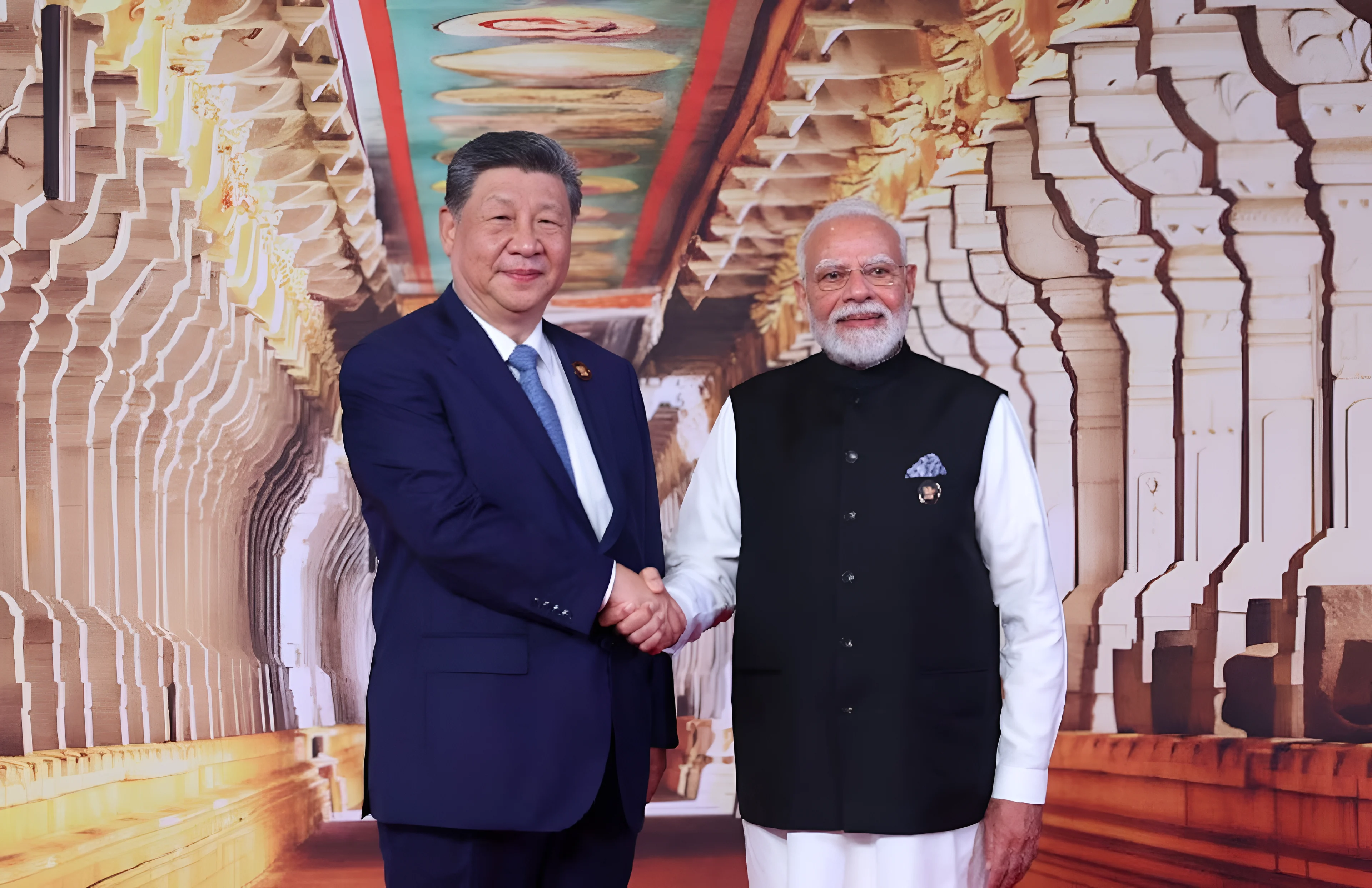 Chinese President Xi Jinping and Indian Prime Minister Narendra Modi meet in Delhi, as the two countries seek to manage longstanding differences while keeping diplomatic and economic ties open. Photo: Reuters
Chinese official media obeyed this new mood with discipline. Nationalist India-bashing largely disappeared. In Beijing, nationalism is an on-demand property, tightly controlled by the one-party state. India's relatively free press provided a contrast. Scepticism and criticism continued. Some voices called Modi's approach ‘surrender’; others seized on Xi's absence from the gala dinner, his early departure, the whispers about his health.
The larger stage
Washington offered a larger stage and higher stakes for the same framework. Xi's visit completed the exchange begun when Trump travelled to Beijing in May. That engagement produced magnificent choreography, and little substantive breakthrough. The latest meeting had more of the same.
In public, both sides tried to avoid contentious issues. Xi mentioned Taiwan briefly, while Trump touched on AI without elaboration. There was no word on human rights. The concrete outcome were modest: Treasury Secretary Bessent’s two-month extension of the trade truce. What had each leader done to earn the other's certificate of reasonable behaviour?
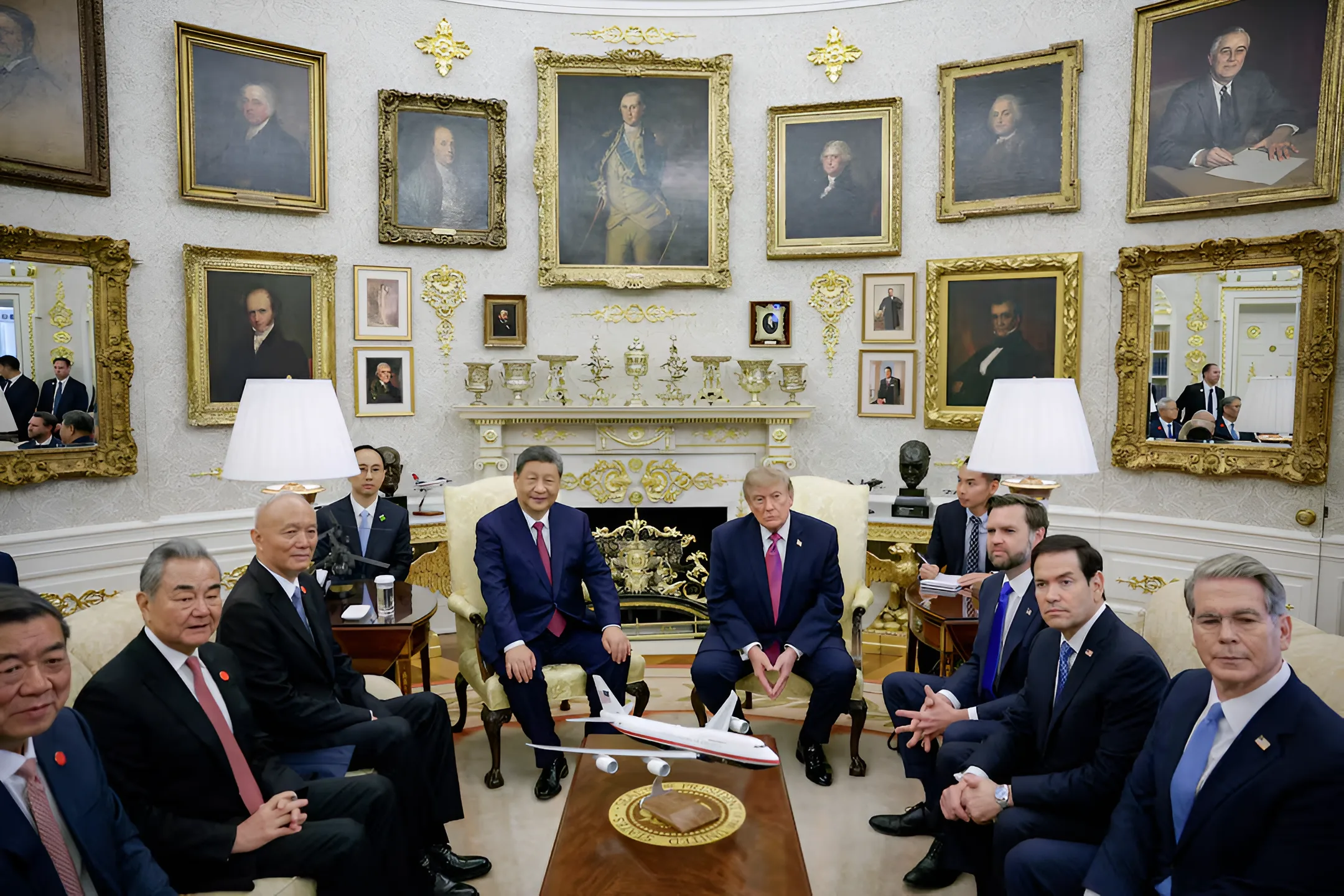 US and Chinese officials meet at the White House as Washington and Beijing seek to manage strategic competition while keeping tensions from escalating. Photo: Reuters
The answer lay not in grand bargains but reciprocal restraint. China facilitated certain critical-mineral exports, resumed commercial purchases, and moderated its official rhetoric toward Washington. It maintained relationships with Russia and Iran while avoiding actions dramatic enough to force direct confrontation. The United States stepped carefully too. Trump repeatedly defended his relationship with Xi and resisted transforming allegations of Chinese misconduct into presidential quarrels. His administration discussed targeted tariff reductions while postponing the most disruptive measures hawks had demanded.
Taiwan remained a key test. A Japanese report claimed Beijing had threatened to cancel the visit if Trump approved fresh arms sales to Taiwan. It fit precisely within the pattern both sides seemed to be constructing. During Trump's May visit to Beijing, Xi had pressed him directly: 'Would you defend Taiwan?' Trump said he refused to answer. By appearing willing to delay an arms package in the lead-up to Washington, Trump gave Chinese officials reason to believe their pressure was registering.
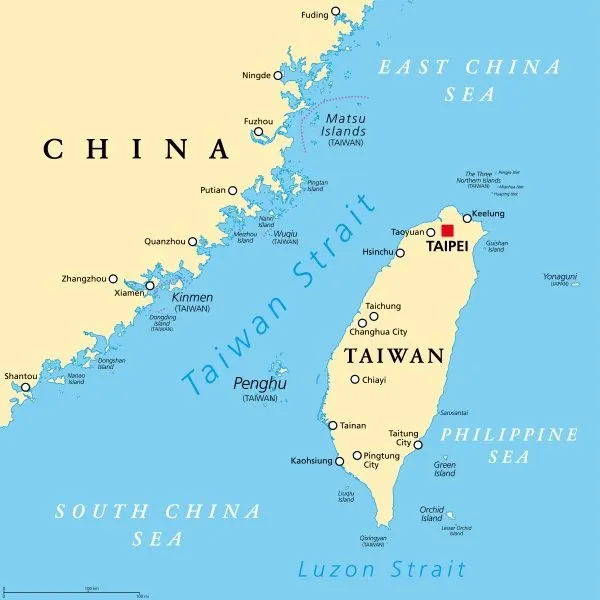
Taiwan Strait, a key flashpoint in US-China relations and a central point of tension in the two countries’ strategic rivalry. Map: Insights IAS
Iran provided another window into this emerging framework. Beijing offered Trump no public commitment to abandon Tehran. Yet Trump's response to the satellite-imagery allegation – acknowledging Chinese espionage while framing it as a mutual pastime – suggested he distinguished between activities by Chinese entities and conduct for which he held Xi personally responsible. 'He's behaved reasonably well,' seemed to mean China pursued its interests without directly attacking American forces or humiliating the president.
Breathing space
This framework served both governments, though for different reasons. Trump faced costly overseas commitments, inflationary pressures, and November midterm elections. A renewed trade war with China would roil markets and raise prices. For Xi, the pressures ran deeper. China's economic model had stalled. With weak domestic consumption and tighter capital controls, Beijing could not rely on stimulus alone. The state poured resources into semiconductors and artificial intelligence. Diplomacy protected foreign markets. With exports indispensable, detente bought time.
Xi appears keen to steady relations with both Washington and Delhi. Yet Beijing has not abandoned its ambitions. China's dominance of rare-earth processing showed how quickly an obscure mineral becomes a critical vulnerability for American industry. Nor has Xi revised the ambitions articulated through successive Party congresses: national rejuvenation, technological self-reliance, military modernization, and deepened Party control over economic life remain central. 'Made in China 2025' continues.
The collision remained visible even as both sides reached for diplomatic language. Days before Xi's arrival, American authorities accused Chinese AI companies of extracting data volumes from Western models through industrial-scale distillation. Beijing accused Washington of weaponizing national security. The quarrel appeared just as both governments prepared to speak eloquently about stability. Modern summitry required an exceptional straight face.
The working understanding
What emerged was something less ambitious than a settlement and more durable than a truce: a working understanding about how competition might be conducted. The two-month horizon showed that both sides saw this as breathing room, not resolution.
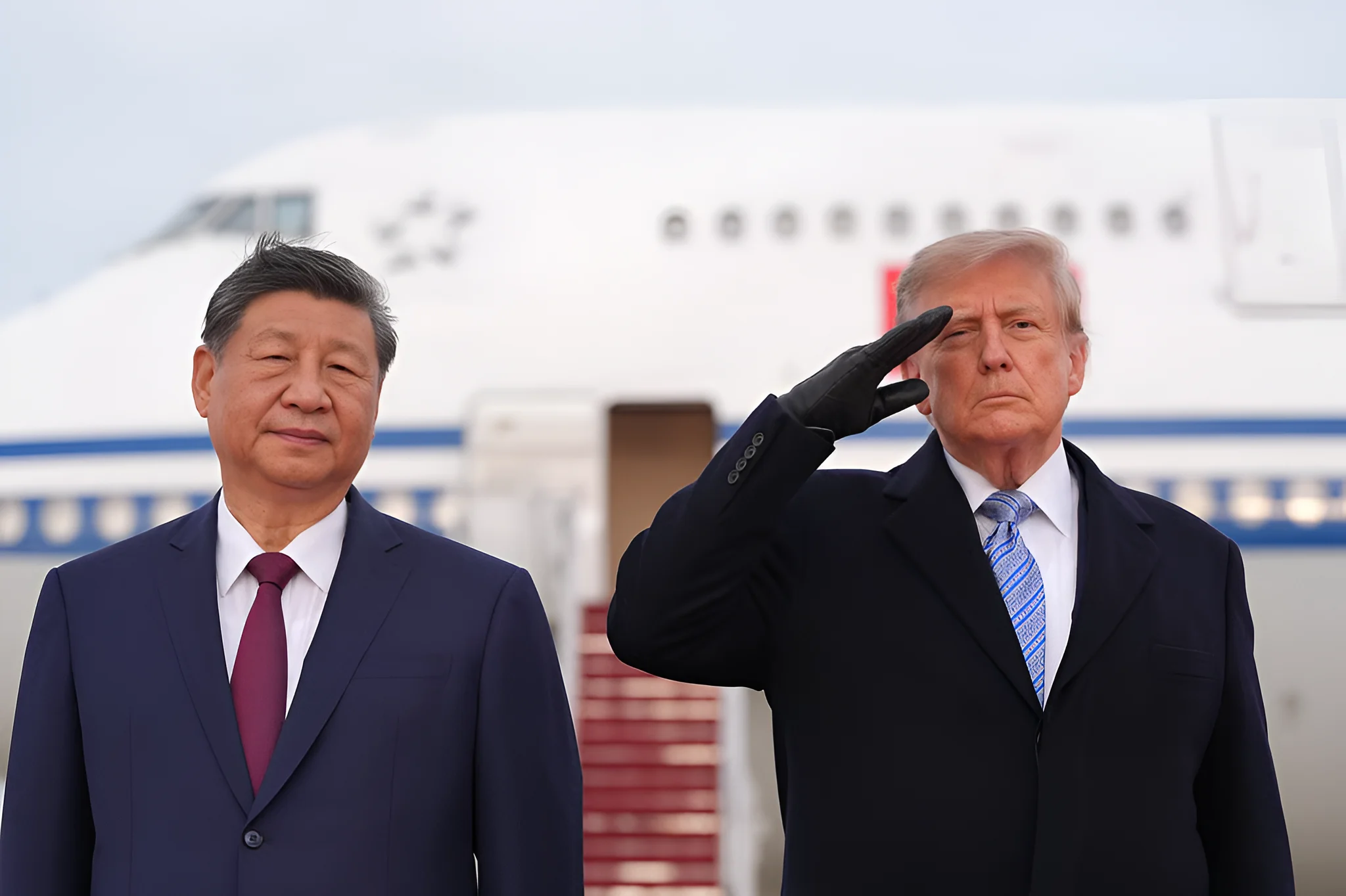
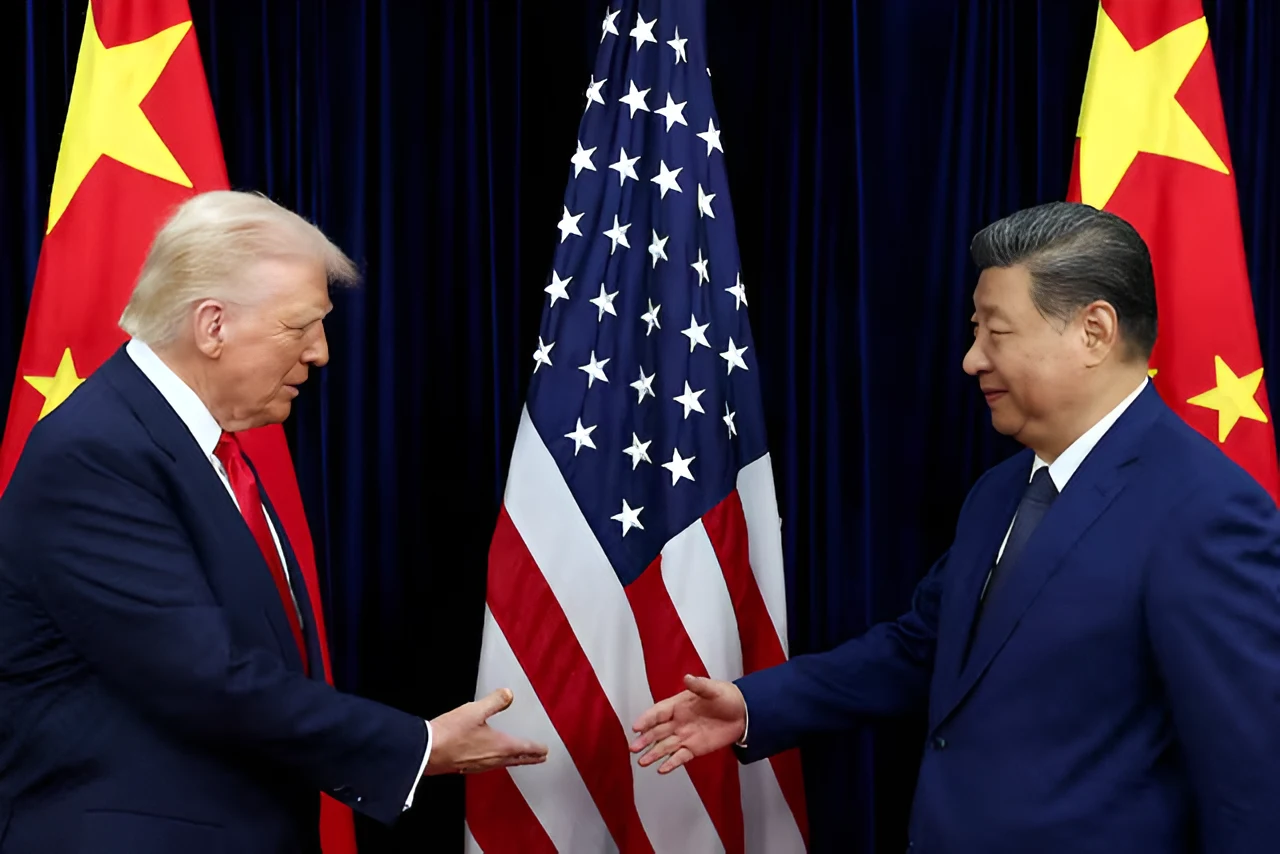 Donald Trump and Xi Jinping seek to maintain dialogue and manage
competition without resolving the deeper strategic differences between
the United States and China. Photo: Evelyn Hockstein/Reuters
Donald Trump and Xi Jinping seek to maintain dialogue and manage
competition without resolving the deeper strategic differences between
the United States and China. Photo: Evelyn Hockstein/Reuters
India offered a cautionary frame. Beijing and Delhi had restored dialogue while remaining strategic competitors with an unresolved border. Washington and Beijing might likewise reduce sudden escalation risks, reopen channels, and conduct business where mutual interest aligned, all without developing trust or resolving underlying competition.
It was Trump's impromptu exchange aboard Air Force One that captured this order faithfully. China would spy on America. America would spy back. Chinese cars faced a hundred per cent tariff. The presidents would meet, make deals where deals could be made. Reasonableness required only that both sides kept the other's interests in view when making their moves, and that neither treated every quarrel as rehearsal for war. In that light, the music, for the moment, seemed all right.