Politics

The legacy of ‘regime change’ in Iran
There has been much speculation as to whether the bombing of Iran by Israel and the US and the killing of Supreme Leader Ayatollah Ali Khamenei will mark the end of the Islamic Republic and restoration of democratic government. Richard Oppenheimer witnessed at first hand the start of the revolution that brought the Ayatollahs to power 47 years ago.

How Iran governs itself
The Council for Foreign Relations (CFR) based in New York explains how Iran is governed. Democracy Asia publishes this extract with the permission of the CFR.

Parliamentary democracy in decline
Why has India dipped in recent years in international indices measuring the state of a country’s democracy? Kavita Chowdhury set out to investigate.

A new leader takes over
Voters in Bangladesh have delivered a landslide victory to BNP leader Tarique Rahman, who has been sworn in as the new prime minister. The vote came 18 months after a Gen Z-led revolution sent the autocratic leader Sheikh Hasina into exile.

Landslide victory strengthens Japan's Iron Lady
The lady known affectionately as Japan’s ‘Iron Lady’ has led the country’s Liberal Democratic Party (LDP) to a landslide electoral victory – the party won more than two-thirds of seats in the House of Representatives or Diet.

Taking a longer view
The Islamic Republic of Iran has just celebrated the 47th anniversary of its founding. Amid the bunting and fireworks foreign reporters detected a sense of foreboding they had not experienced previously.

How democracy and elective monarchy sit side-by-side in Malaysia
Malaysia has an unusual system of governance in that both its parliament and its monarch are elected. But while adult citizens elect their parliamentary representatives, the king is elected from a field of nine sultans, hereditary rulers of their respective states, and only sultans get to vote.

Holding Myanmar’s rulers accountable
As Myanmar’s military rulers attempt to consolidate their hold on the country through elections, intended to restore at least a semblance of civilian rule, an independent programme outside the country known as the Myanmar Accountability Project (MAP) is on a regional mission to hold the military authorities accountable for their brutality. Director of MAP, Chris Gunness, reports on a visit to Timor-Leste.

Nepal votes in Gen Z-inspired election
The people of Nepal go to the polls this month (5 March) after last year’s violent street protests and army intervention followed by a peaceful period of interim government. Kunda Dixit reports from Kathmandu.

Jakarta takes over as the world’s largest city
The Indonesian capital Jakarta has overtaken previous front runners Dhaka and Tokyo to become the world’s most populous city according to a United Nations report which reveals that all but one of the world’s largest cities are in Asia. Rahul Jaywant Bhise reports.

A People’s Victory in New York City
On January 1, 2026, Zohran Kwame Mamdani was sworn in as New York City’s first South Asian and Muslim mayor and the youngest in 134 years. Nilita Vachani followed his campaign.

A fragile truce: Can the Kuala Lumpur accord survive?
The peace accord signed in the Malaysian capital by Thai Prime Minister Anutin Charnvirakul and Cambodian Prime Minister Hun Manet, on 26 October 2025, witnessed by US President Donald Trump, who claimed it as one of his hallmark international peace achievements, has since then come under strain.
Most Viewed Articles
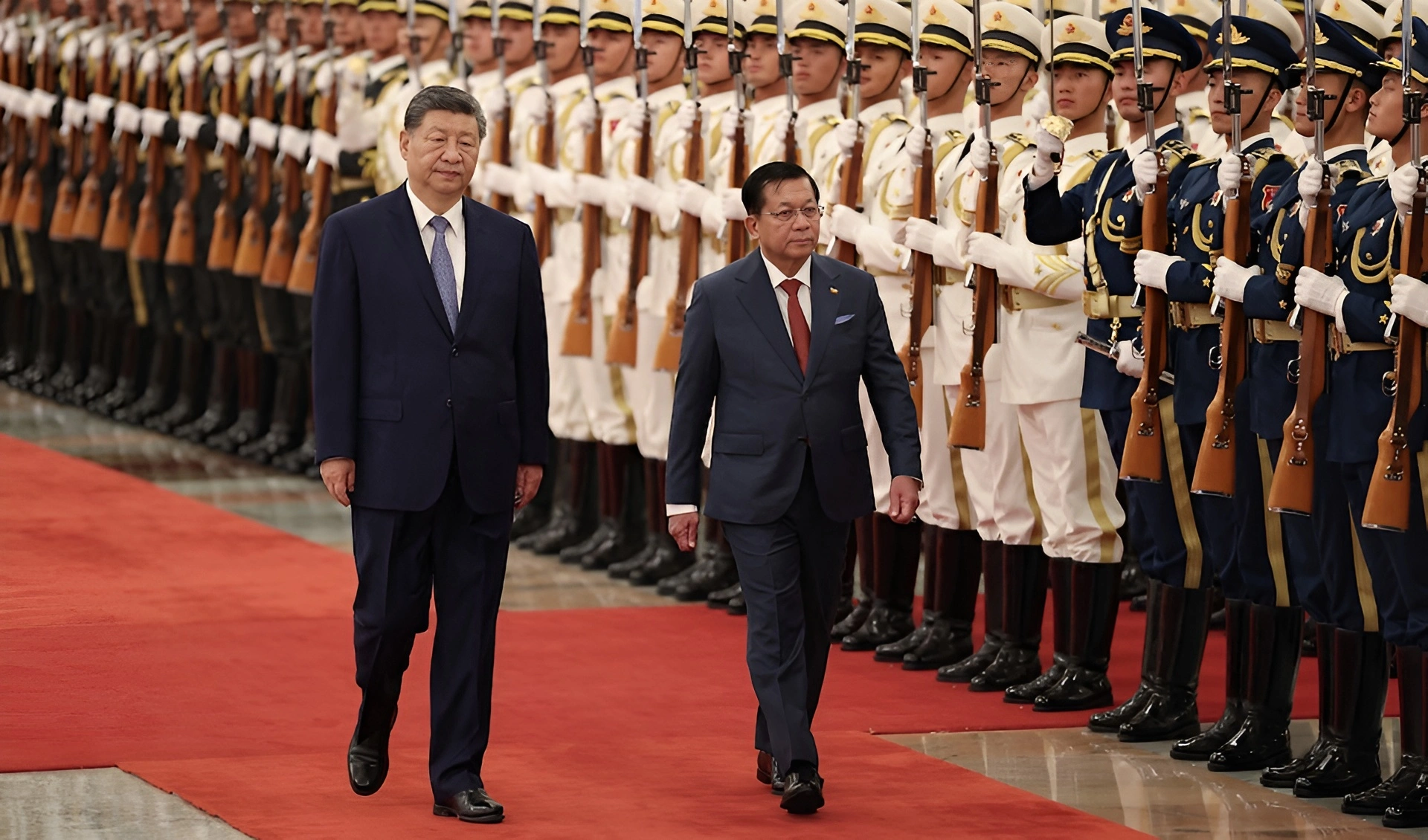
Myanmar: state of control
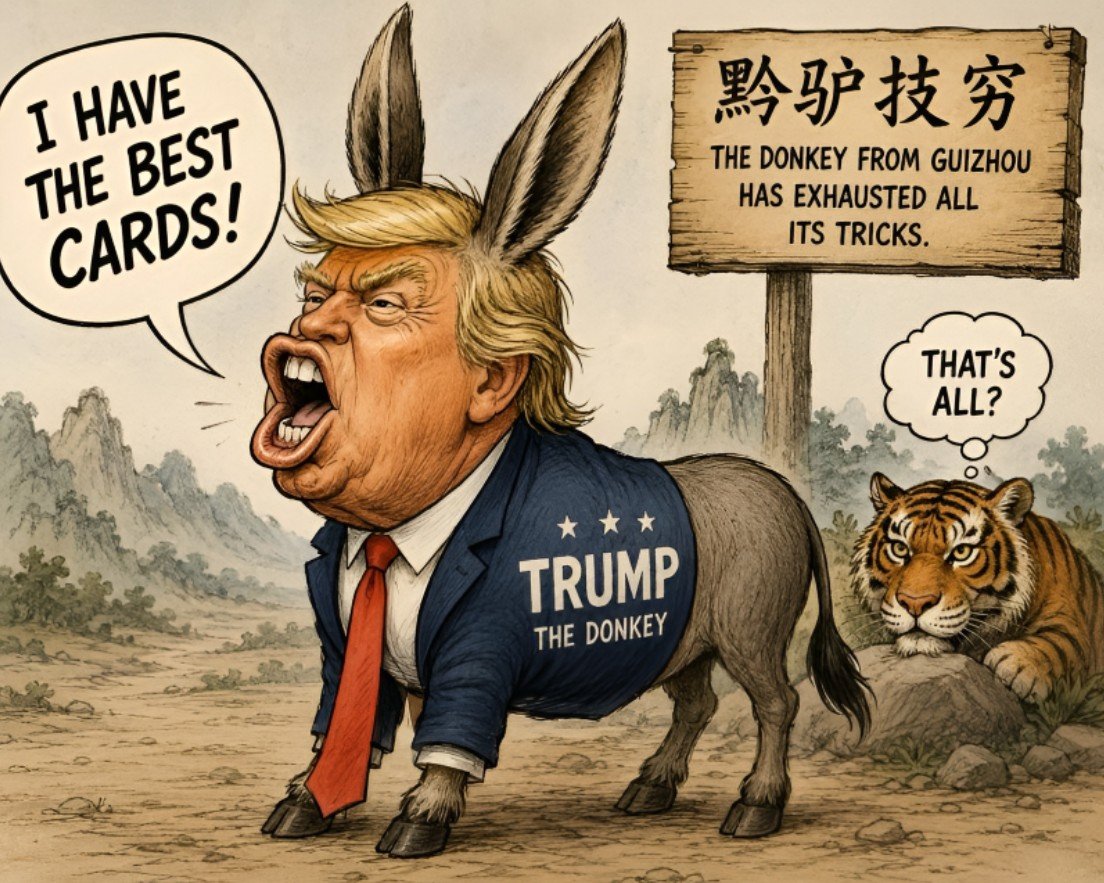
Trump, the nation builder