Politics
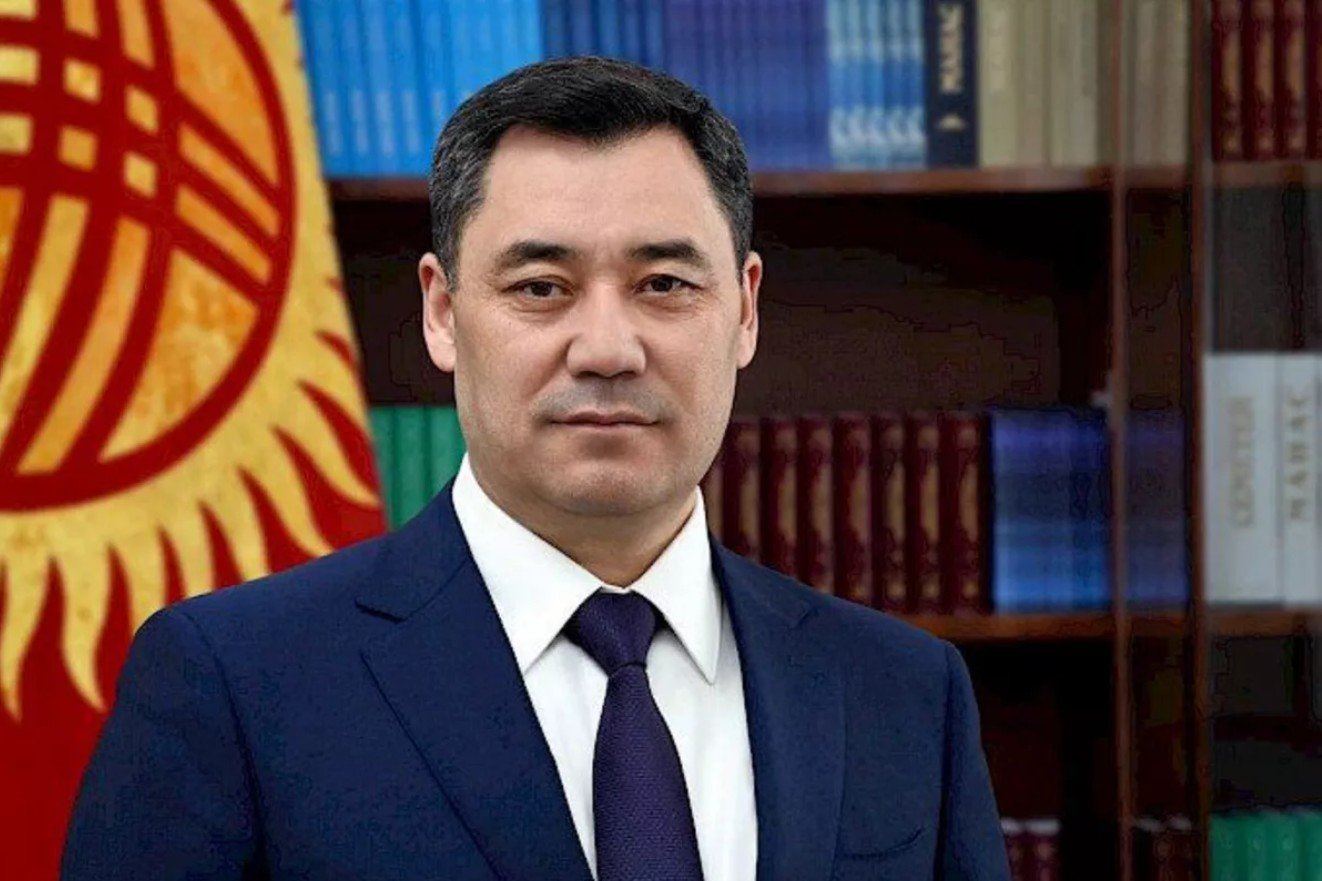
Kyrgyzstan’s ruling tandem breaks amid new sanctions scrutiny
Kyrgyzstan kickstarted summer with a diplomatic triumph, becoming the second Central Asian state after Kazakhstan to win a non-permanent UN Security Council seat. But new European Union sanctions over trade with Russia and the collapse of the republic’s ruling ‘tandem’ have added a fresh dose of risk for a country where trouble is never far away, as Chris Rickleton reports.
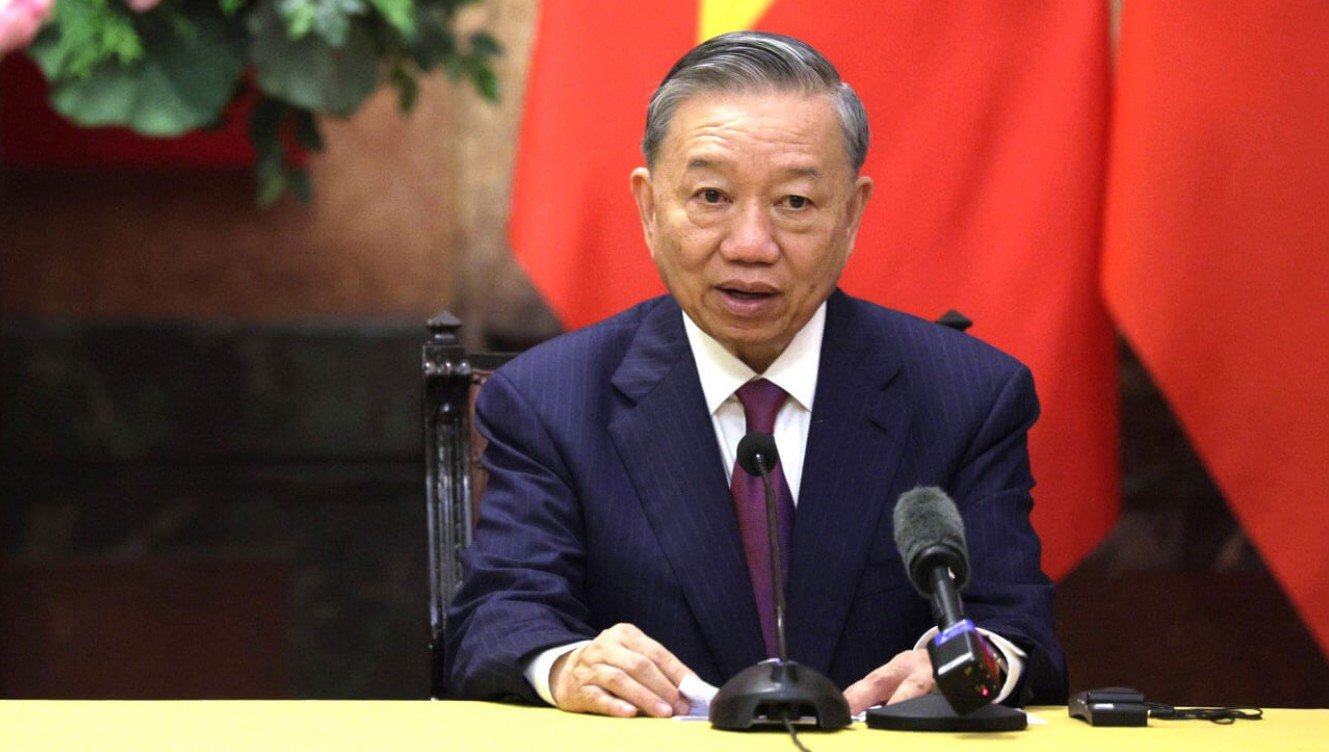
The China-fication of Vietnam
From the history archives to the state media to the presidency, something is happening in Vietnam. New rules, new restrictions and new structures all point to a change in the political system, as Bill Hayton reports.
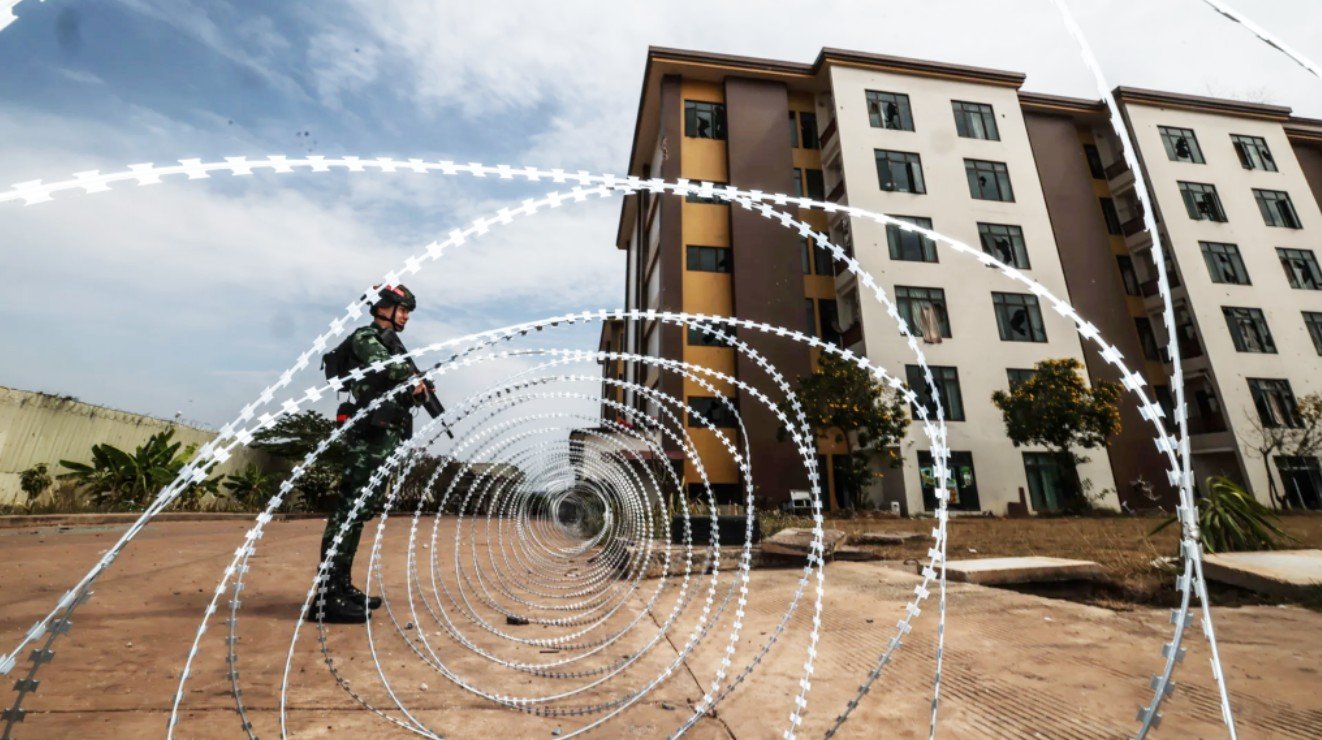
Cambodia cracks down, but scam networks move on
Cambodia wants to show the world it is finally cleaning up its multibillion-dollar scam economy. But locals and experts warn that the syndicates’ roots remain deep, and that the business is dispersing across Southeast Asia rather than disappearing. Nyein Chan Aye reports.

Remembering Tiananmen
In China, June 4th is a sensitive date. As the anniversary approaches, an old ritual unfolds: censors spring into action, social media posts disappear and searches for ‘Tiananmen’, ‘June Fourth’, ‘1989’ are scrubbed from the internet. Activists are placed under surveillance, while foreign journalists mark an event that officially never happened. For the writer and former factory worker Lijia Zhang, the date holds special significance.

Power lines across the Himalayas
For much of the past two decades, South Asia’s energy security has been defined by distance, particularly its dependence on oil and gas imports from the Gulf. Recent volatility in the Middle East has added urgency to a quieter, longer-term trend: the push to trade electricity across the region’s own borders. Udisha Saklani reports.

India and neighbours weather the Hormuz blockade
South Asian countries have been badly affected by the virtual closure of the Strait of Hormuz. Kavita Chowdhury reports on how fuel shortages are affecting people in India, Bangladesh and the Himalayan region.
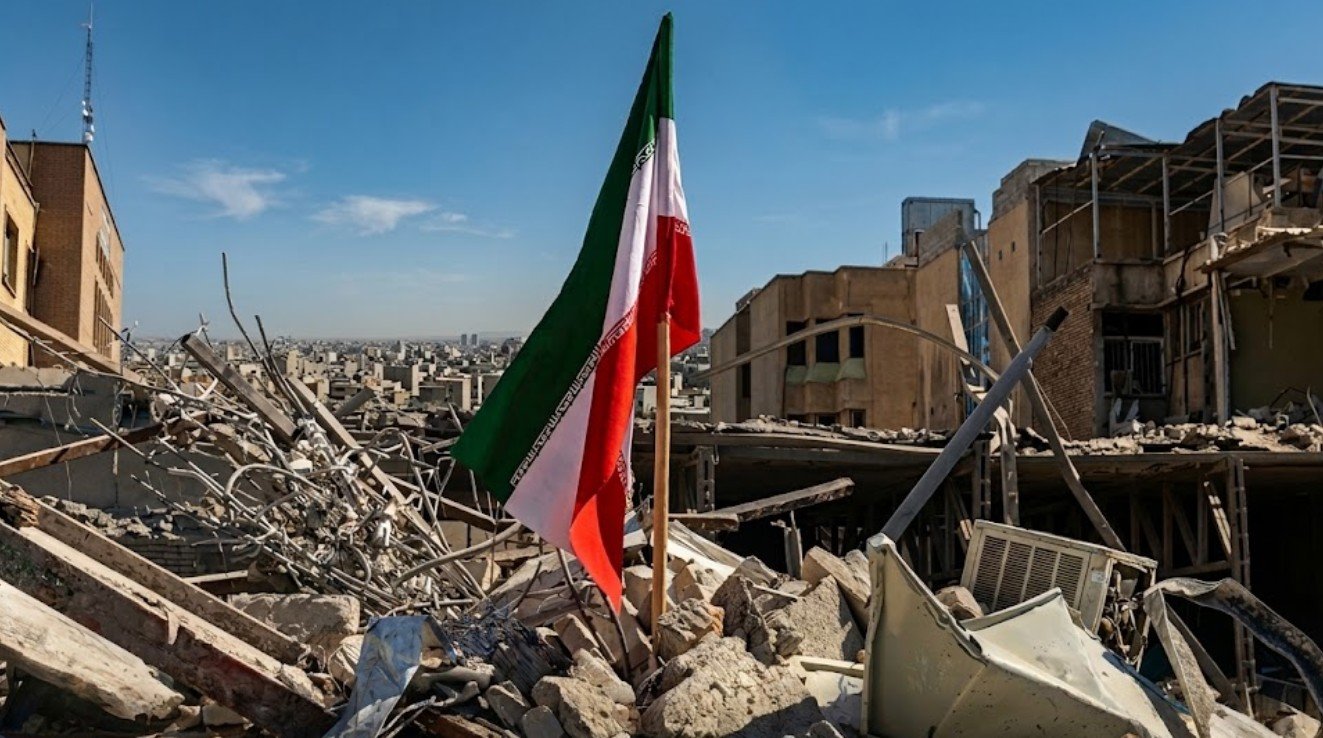
Iran’s blackout state
Iran has been under an internet blackout since the war began at the end of February. This follows an earlier 21-day blackout in January during the nationwide uprising against the Islamic Republic. Together, the two shutdowns mean Iranians have been cut off from the global internet for roughly 72 per cent of the year so far. As Nazenin Ansari reports, this suggests that the core conflict in Iran may not be between Tehran and foreign adversaries, but between the Islamic Republic and Iranian society itself.
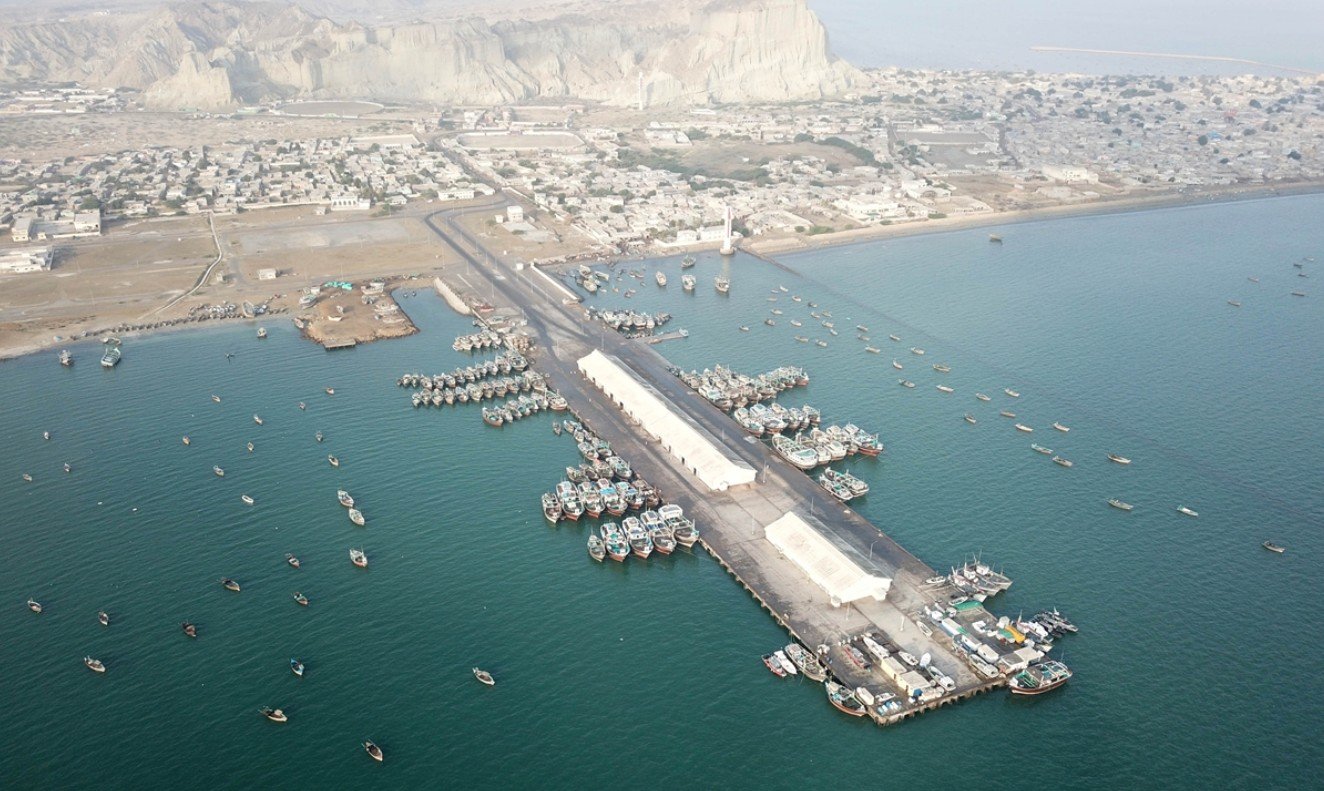
Pakistan and Afghanistan navigate the Hormuz blockade
The prolonged blockade through the Strait of Hormuz is raising costs and uncertainty across South and Central Asia. Few countries are as exposed as Pakistan and Afghanistan. Yet while the crisis threatens economic disruption, it has created an opportunity for Islamabad to reposition itself as an increasingly consequential diplomatic and logistical actor, as Iftikar Firdous reports.
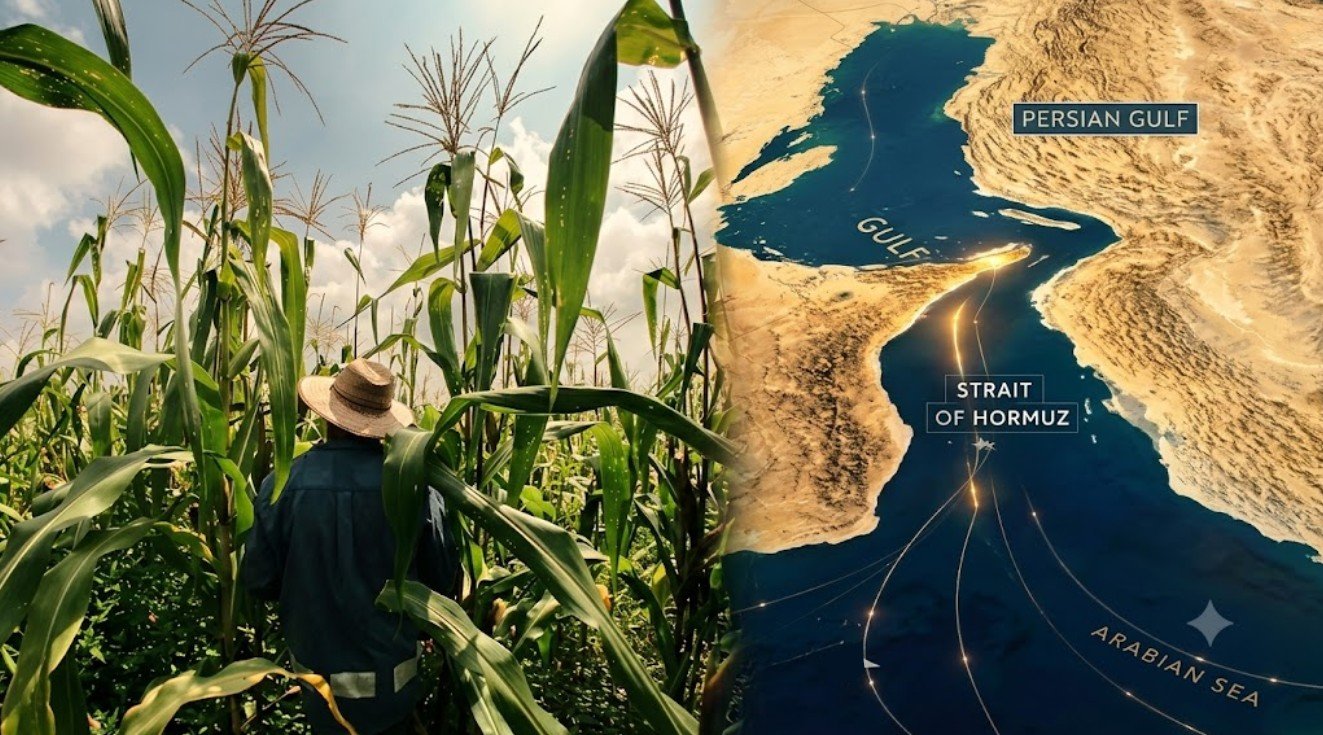
Dire straits: the farming crisis
In eastern India, the effects of the Iran war are showing up not in fuel queues or port delays but in the calculations farmers make before sowing. The kharif season begins with the southwest monsoon, which advances across India during June. That is when demand rises for urea, India’s most widely used nitrogen fertiliser. If supplies are tight at this time the consequences appear later in weaker harvests. Rahul Jaywant Bhise writes on how the blockade of the Strait of Hormuz is turning an energy shock into a fertiliser and food-security crisis across Asia.

Sri Lanka’s recovery hit by Hormuz blockade
Sri Lanka finds itself once again listening anxiously to developments unfolding thousands of kilometres away in the Middle East. The Iran conflict, and wider instability involving Israel, the United States and the Gulf region, has cast a long economic shadow over the island, as Eranga Pereira reports from Colombo.

Is Japan aiming to be a regional power?
Japan was not at the table when Donald Trump and Xi Jinping agreed to a ‘constructive relationship of strategic stability’ in Beijing. It did not need to be. At the time of the Beijing talks its navy was engaged in a seven-country naval exercise off the Philippines, writes Howard Zhang.
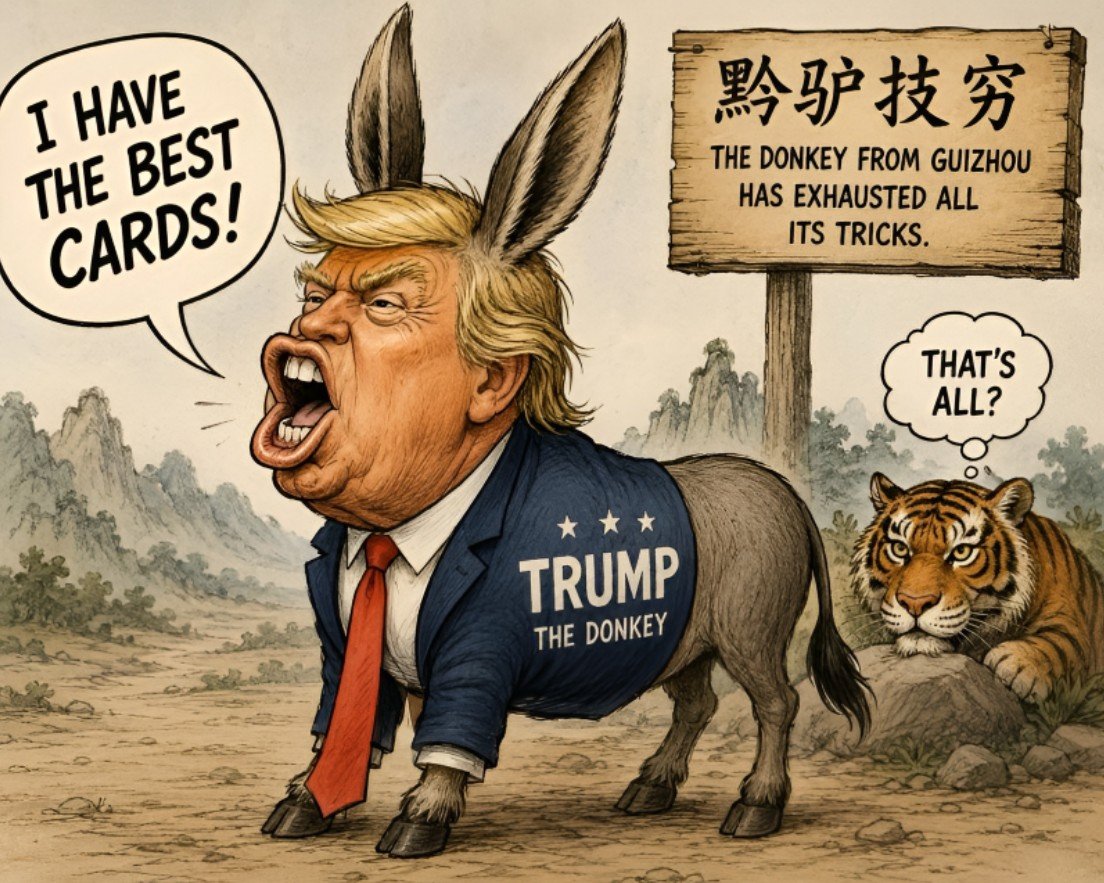
Trump, the nation builder
President Trump’s state visit to China in May attracted enormous attention across the country. Social media buzzed with commentary, speculation and mockery in equal measure. Lijia Zhang writes that beneath the jokes lies something more serious: Donald Trump has become a symbol of how profoundly Chinese perceptions of the United States have changed.
Most Viewed Articles
Myanmar: state of control
Trump, the nation builder